






Rubbish removal outside Wimbledon Station quick tips
Posted on 02/09/2026
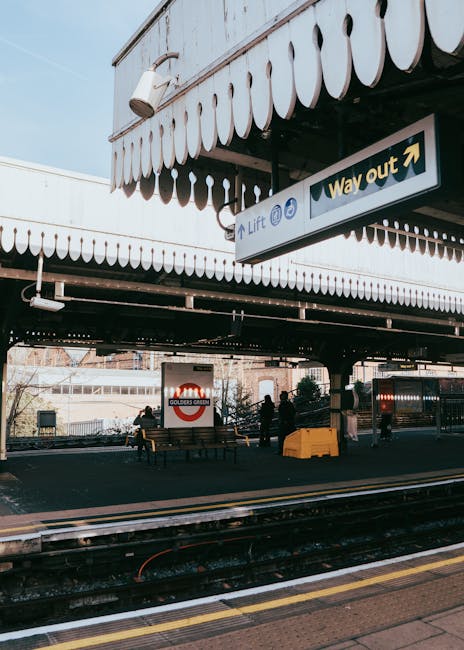
If you need rubbish removed outside Wimbledon Station, speed matters. So does keeping the pavement clear, avoiding awkward delays near the station entrance, and making sure the job is done neatly without upsetting pedestrians, drivers, or nearby businesses. In practice, Rubbish removal outside Wimbledon Station quick tips is really about planning one small task well: get the waste ready, choose the right pickup method, and keep everything tidy from the first bag to the last sweep-up.
That may sound simple enough, and sometimes it is. But anyone who has stood beside a pile of black bags in a busy station area will know the difference between "quick" and "chaotic" can be one missing detail. This guide breaks down what works, what causes delays, and how to handle a station-side clearance with less stress. Along the way, you'll also find practical links to related Wimbledon services such as general rubbish removal in Wimbledon and waste clearance support if your job is a little larger than expected.
Truth be told, the best results usually come from basic discipline: sort first, move safely, and don't leave the arrangement until the last minute. Let's get into it.
- Why it matters
- How it works
- Key benefits and practical advantages
- Who this is for and when it makes sense
- Step-by-step guidance
- Expert tips for better results
- Common mistakes to avoid
- Tools, resources and recommendations
- Law, compliance, standards, or best practice
- Options, methods, or comparison table
- Case study or real-world example
- Practical checklist
- Conclusion
- Frequently asked questions
Why Rubbish removal outside Wimbledon Station quick tips Matters
Station areas are busy, sensitive spaces. Around Wimbledon Station you have foot traffic, taxis, buses, cyclists, commuters, shopfronts, and the occasional person trying to drag a suitcase with one wheel that refuses to cooperate. In that environment, rubbish removal is not just a tidy-up job. It is a timing job, a safety job, and a courtesy job too.
Quick tips matter because they help you avoid the most common friction points: blocked paths, bags split open by handling, waste left out too early, and those irritating little moments where a collection turns into a complaint. If you are dealing with a flat clearance, an office refresh, or leftover waste from a move, planning the removal properly can make the whole process feel calmer. A calm process is usually a faster process. Funny how that works.
There's also the wider Wimbledon context. A lot of the local area is residential or mixed use, so a careless clearance can create trouble for neighbours very quickly. If you are new to the neighbourhood, it helps to understand the local feel first; the article is Wimbledon great for living, a local's take gives useful background on why people here tend to value order and practicality.
How Rubbish removal outside Wimbledon Station quick tips Works
At its core, station-side rubbish removal follows a simple sequence: identify what needs to go, separate anything reusable or recyclable, stage it safely, and arrange collection at a time that causes the least disruption. The details are where things get easier-or harder.
Here is the normal flow most people follow:
- Assess the waste - check the volume, weight, and type of rubbish. Mixed items often need a different plan from bagged household waste.
- Sort the load - separate furniture, cardboard, general waste, and any items that need special handling.
- Choose a practical collection point - somewhere accessible, visible, and not blocking the station frontage or a narrow pavement.
- Set the timing carefully - early mornings or quieter periods are often easier, but the best slot depends on access and local conditions.
- Move waste quickly and safely - keep the transfer short and controlled, especially if bags are heavy or awkward.
- Finish with a clean area - sweep up loose debris, tape up small fragments, and leave the spot tidy.
If the waste includes building debris, a dedicated option such as builders waste disposal in Wimbledon may be more suitable. If it is from an office move or workplace clear-out, office clearance support can be the more efficient route. For larger mixed loads, you might also compare the broader options explained on the services overview.
A small but useful point: outside a station, the "where" matters almost as much as the "what". Two bags placed badly can create more disruption than ten bags placed neatly against a wall or in an agreed loading spot. It sounds minor. It isn't.
Key Benefits and Practical Advantages
When rubbish removal is handled properly near Wimbledon Station, you get more than a clear pavement. You get time back, fewer headaches, and less risk of making a mess of the whole operation.
- Faster turnaround - good staging and good timing mean less waiting around.
- Better public safety - fewer trip hazards, less obstruction, fewer awkward encounters with pedestrians.
- Cleaner presentation - useful if you're leaving a property, managing a business, or preparing a space for new tenants.
- Lower stress - you know what is being moved, when, and how.
- More efficient disposal - sorting properly can help with recycling and reduce unnecessary waste handling.
There is also a reputational benefit. If rubbish is left outside a station frontage or close to a visible route for too long, it stands out. People notice. Neighbours notice. Passers-by definitely notice. A tidy, well-timed pickup is a small win, but it sends the right message.
For readers who like to think ahead, this is especially relevant in areas with property movement. The local piece on selling real estate in Wimbledon touches on how presentation affects first impressions, and rubbish is part of that story more often than people admit.
Who This Is For and When It Makes Sense
This kind of quick rubbish-removal approach suits anyone dealing with a small-to-medium load in a high-footfall location. If that sounds vague, here are the most common real-world cases.
- Flat movers who need to clear cardboard, broken items, or unwanted household bits near the station.
- Local businesses replacing furniture, packaging, or old stock.
- Landlords and letting agents who need a fast turnaround between occupiers.
- Homeowners coming back from a tidy-up project and suddenly realising the waste piles up quicker than expected.
- Event organisers dealing with leftover materials after a private gathering or small commercial event.
If the waste comes from a social event, the article on popular party spots in Wimbledon gives some useful local context. And if you are dealing with a property close to the station, a quick read of Wimbledon property investing wisely guide may be handy for understanding why presentation and access are both so important here.
It makes sense when the job is too awkward for your own car, too bulky for a normal household bin, or simply too time-sensitive to drag out over several trips. In other words: quite a lot of jobs, really.
Step-by-Step Guidance
If you want a straightforward method that keeps things moving, use this sequence. It is simple, but simple is good when the station area is busy.
1. Identify everything that needs to go
Walk the space and make one clear list. Don't rely on memory. The forgotten lamp, the hidden box of old paperwork, and the one chair nobody claimed all tend to appear at the worst possible moment.
2. Separate items by type
Keep cardboard, furniture, general rubbish, and anything fragile or sharp apart if possible. This helps with handling and makes the transfer safer.
3. Bag and bundle properly
Use sturdy bags for loose waste and tie them securely. Flatten cardboard. Tape up sharp edges. If an item is too heavy for one person, treat that as a signal, not a challenge.
4. Choose the staging spot carefully
Pick a spot that does not block access routes. Near Wimbledon Station, that usually means thinking about pedestrians first and vehicle movement second. A clean, short path from property to vehicle is ideal.
5. Time the collection
Try to avoid the busiest rush when possible. A quiet period can make a big difference, even if it means adjusting by an hour or two. The difference between smooth and stressful can be tiny.
6. Clear, load, and tidy immediately
Once the rubbish is removed, sweep the area and check for small fragments. A few screws, broken bits of tape, or stray packaging can linger and create a poor finish.
If you expect the job to be more than a quick pickup, look at pricing and quotes early so you are not comparing options in a panic. That's a lesson many people learn once, then never again.
Expert Tips for Better Results
Here are the little things that usually separate a decent clearance from a frustrating one.
- Pre-pack before the collection day. If bags are already tied, stacked, and labelled, you save time immediately.
- Keep the route short. Every extra turn through a corridor or doorway increases the chance of bumps, drops, and delay.
- Do a last-minute sweep of the area. People forget loose items more often than they think.
- Use the right service for the waste type. Garden waste, builders' waste, office waste, and house clearances are not all the same job.
- Have a backup plan for access. A parked car, a locked gate, or a busy pavement can change the whole setup in seconds.
One small, practical trick: place a note or keep a photo checklist of everything staged for removal. It sounds almost too ordinary, but it saves arguments. Especially if several people are involved. And yes, the "I thought that chair was staying" conversation is as tedious as it sounds.
For larger domestic clear-outs, house clearance in Wimbledon can be a better fit than a one-off general pickup. For green material after a tidy-up, consider garden waste removal. Matching the service to the load makes the whole process smoother.
Common Mistakes to Avoid
Most problems near stations come from speed without planning. Ironically, rushing is what slows the job down.
- Leaving waste outside too early and creating an obstruction before the collection even starts.
- Mixing too many waste types together, which makes handling less efficient.
- Underestimating weight, especially with damp cardboard, broken furniture, or bags full of mixed materials.
- Using a vehicle or parking spot that makes loading awkward and blocks movement.
- Ignoring small loose debris that can spread across the pavement or entrance area.
- Assuming every waste job is the same when in reality the right approach depends on access, volume, and material type.
Another common one: not checking the collection point carefully. A few steps can be the difference between a clean handover and a blocked doorway. Near Wimbledon Station, that really matters. You do not want to become the reason someone mutters into their coffee at 8:12 a.m.
Tools, Resources and Recommendations
You don't need a van load of equipment to do this well. A few sensible tools can make a real difference.
| Item | Why it helps | Best use |
|---|---|---|
| Heavy-duty bin bags | Reduces split bags and messy transfers | General rubbish and light mixed waste |
| Work gloves | Protects hands from sharp edges and grime | Loading, sorting, and final checks |
| Tape and string | Keeps bundles compact and safer to move | Cardboard, loose boards, light furniture parts |
| Step ladder or trolley | Helps with awkward lifting and shorter carries | Small removals and internal clearances |
| Cleaning brush and dustpan | Leaves the area neat after collection | Final tidy-up around the loading point |
For people who want a broader look at the local service set, our services can help you identify whether you need a standard rubbish collection or something more specific. If sustainability matters to you, the page on recycling and sustainability is worth reading because it explains the general mindset behind better waste handling.
A useful recommendation? Don't overbuy supplies for a tiny job, but do use proper bags and gloves. Cheap bags split at exactly the wrong time. They always do.
Law, Compliance, Standards, or Best Practice
For rubbish removal in the UK, the safest approach is always to follow recognised waste-handling best practice and use a responsible carrier for waste that is being taken away from the property. I'm keeping this deliberately plain: if you're not sure how an item should be disposed of, treat it carefully and ask before it leaves the site.
There are a few practical compliance principles that matter in and around station areas:
- Do not obstruct public access or create a hazard on the pavement.
- Keep waste contained so it does not spill into shared spaces.
- Separate hazardous or awkward items rather than mixing them into general rubbish.
- Use proper care with furniture, glass, and sharp objects because injuries are the last thing anyone needs.
- Follow site rules and local access expectations if you are working from a building, managed property, or commercial premises.
It is also wise to choose a provider that can explain how they handle waste, safety, and payment in a straightforward way. The pages on insurance and safety and payment and security are useful for understanding the trust signals you should look for. If you want to know more about the company itself, about us offers a useful starting point.
One gentle reminder: if anything feels uncertain, slow down and clarify it. Compliance is rarely exciting, but it saves trouble. Which is rather the point.
Options, Methods, or Comparison Table
There are usually a few ways to deal with rubbish outside Wimbledon Station. The best one depends on volume, timing, and how much lifting you want to do yourself.
| Method | Best for | Pros | Trade-offs |
|---|---|---|---|
| Self-loading with a vehicle | Small, manageable waste loads | Simple, flexible, can be quick | Requires lifting, parking, and your own time |
| Dedicated rubbish removal service | Mixed loads, heavier items, time-sensitive jobs | Fast, organised, less hassle | Costs more than doing it yourself |
| House clearance service | Multiple rooms or larger domestic clear-outs | Efficient for bigger jobs | May be more than you need for a small task |
| Office clearance service | Desks, chairs, packing waste, workplace items | Structured and suitable for business settings | Best when waste is mainly commercial |
| Specialist builders or garden waste removal | Construction debris or green waste | Better matched to the material type | Not ideal for mixed household rubbish |
If you are unsure which option fits, start with the category of waste first, not the vehicle or the price. That little change in thinking often leads to a better decision. You can also compare options through the service overview and then narrow it down.
Case Study or Real-World Example
A typical station-side job might involve a small flat near Wimbledon Station after a tenant move-out. The property has a stack of cardboard boxes, an old bedside table, a broken chair, and a few bagged bits from the kitchen. Nothing dramatic. Just enough to be annoying.
The first mistake in that scenario would be leaving everything in the hallway until the last minute. That creates clutter inside the property and slows the carry-out. A better approach is to bag loose waste early, flatten boxes, and keep the furniture pieces together near the exit. If access is through a narrow entrance, staging matters even more.
On the day, the team or homeowner can move the waste in one short run rather than six tiny ones. The collection point is chosen to avoid blocking the flow of people walking past the station. The area is cleared immediately after loading. A final sweep removes tape, dust, and packaging fragments.
That kind of job may only take a short while, but the quality of the planning is what makes it feel easy. And honestly, easy is underrated. A tidy route, a quiet time slot, and the right removal type can save a surprising amount of effort.
For readers looking at nearby local context too, the guide on rubbish removal in Wimbledon Village is helpful, and the piece on rubbish removal near the All England Lawn Tennis Club shows how different Wimbledon micro-areas can shape collection planning.
Practical Checklist
Use this checklist before a collection near Wimbledon Station. It keeps the job clean and saves those annoying last-minute surprises.
- Sort waste by type before moving it.
- Bag loose items securely.
- Flatten cardboard and tape sharp edges.
- Check the access route from property to collection point.
- Choose a time that avoids the busiest flow if possible.
- Keep the pavement or entrance clear.
- Separate any awkward, heavy, or fragile items.
- Have gloves, tape, and a brush ready.
- Confirm what is being removed before the load is moved.
- Sweep the area after collection.
Expert summary: The quickest rubbish removal outside Wimbledon Station is not the one that starts fastest; it is the one that is prepared best. Sort first, stage neatly, move safely, then clean up properly. That's the whole game, really.
If your job is bigger than you expected, compare it with the right service path early. A fast quote can help you avoid wasting time on a setup that is too small, too large, or just plain awkward. If you want to understand what other related work is available, waste clearance and rubbish removal in Wimbledon are sensible starting points.
Conclusion
Rubbish removal outside Wimbledon Station quick tips come down to a simple formula: prepare well, choose the right type of removal, keep access clear, and finish with a proper tidy-up. Once you do that, the whole job becomes much less stressful. The station area is busy enough without adding avoidable clutter into the mix.
Whether you are clearing after a move, sorting business waste, or just dealing with an awkward pile that has been sitting too long, the right approach is practical rather than flashy. And that is usually the better way in a place like Wimbledon. Calm, neat, and efficient wins the day.
Get a free quote today and see how much you can save.
Take the time to do it properly, and the relief afterwards is real. There is something deeply satisfying about a clear pavement and a space that feels ready again.


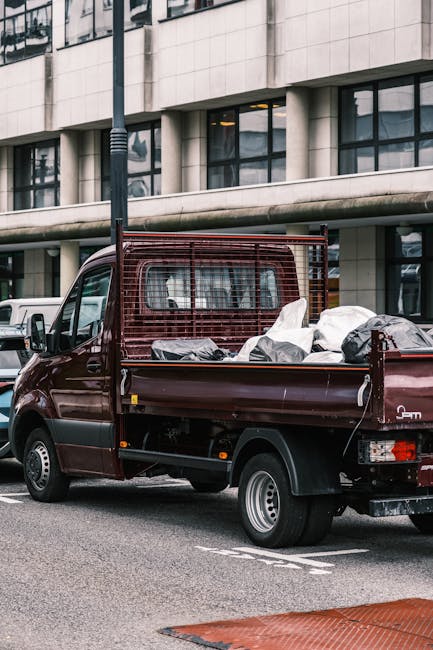
 Tipper Van - Rubbish Disposal and Rubbish Removal Prices in Wimbledon, SW19
 Luton Van - Rubbish Disposal and Rubbish Removal Prices in Wimbledon, SW19